



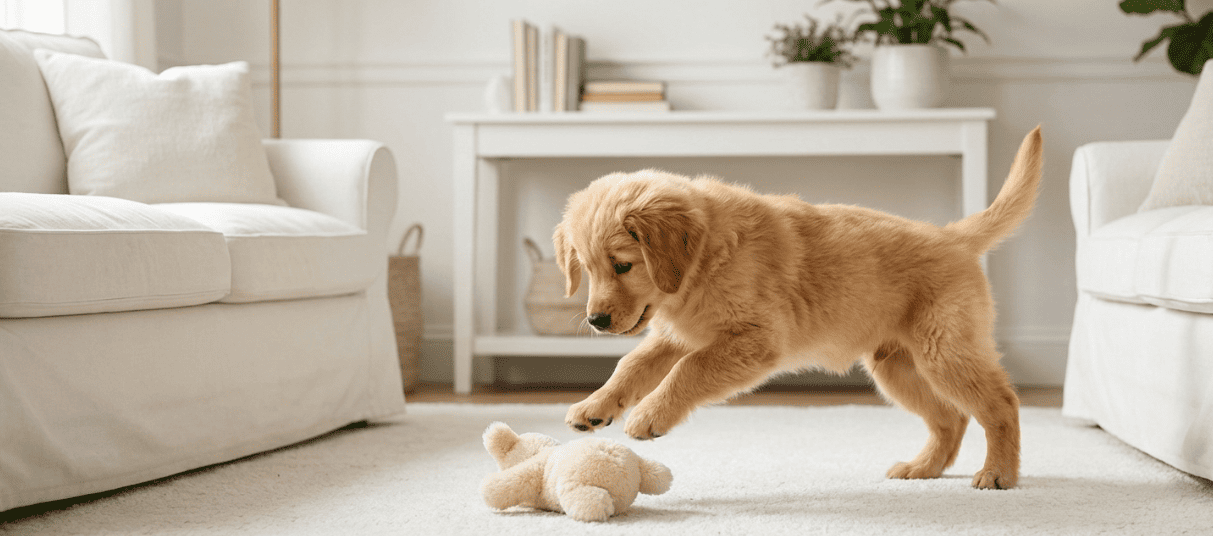
Introducing a new puppy or kitten into your home is very exciting, but remember, their curiosity, energy, and instincts often lead them to explore wires, cupboards, gaps behind appliances, and objects that were never designed to be explored. Puppy and kitten proofing isn’t just about avoiding broken vases, it’s about creating a living environment that protects their curiosity, gives you peace of mind, and ensures a smooth adjustment for everyone. In this comprehensive guide, we walk you through how to think like a pet to assess and adapt your home accordingly.
Why It Matters
Young pets see the world very differently from us. Everything is intriguing, the new smells, exciting sounds, and curious textures. What may look like harmless furniture or a houseplant to us appears as a chew toy to them. Left unaddressed, common household items may become very hazardous, from electrical shocks to ingestion of toxic substances to drowning or worse. Proper proofing dramatically reduces the risk of accidents and gives pets a safer, calmer start in their new home.
Planning
Before you start moving furniture or installing locks, take a moment to really walk through your home from a puppy’s or kitten’s perspective. Get down low, at pet eye level, and look around. What is reachable? What is tempting or chewable? Consider hidden spaces, under beds, behind sofas, inside cupboards, or behind appliances, where a curious pet may crawl in and get stuck. Think about access to outdoor zones, doors and windows, especially if your home leads to open or unfenced areas.
Key Zones
– Electric Cables: Secure or hide all wires and cords. Puppies and kittens often chew on cords, risking shock or fire. Use cord covers or protective tubing and then tuck cords behind furniture or up high. Use covers for your outlets, especially if you have low, open sockets.
– Cabinets: Lock up cabinets and drawers that hold anything hazardous, such as cleaning supplies, detergents, or medicines. Keep chemicals, poisons, antifreeze, and lawn products far out of reach, as these may be lethal if ingested, especially for puppies. Use bins with secured lids, as they often hold items with curious smells that pets find irresistible.
– Doors & Windows: Ensure windows, doors and balcony entrances are properly locked, and block doors to unsafe areas such as the garage, garden sheds, or the pool. Block access to dangerous small spaces such as gaps behind appliances, under beds, behind cupboards or where pets may hide or get trapped.
– Furniture & Small Objects: Remove or secure coins, rubber bands, hair ties, strings, stationery items or anything small enough to chew and swallow. Anchor and stabilise heavy furniture and decor. Puppies can topple furniture, and kittens might climb and knock things down, so secure wobbly items or remove fragile decor temporarily.
Food or Toxic
Many ordinary human foods are toxic to cats, dogs and other household pets, with severity depending on species, size, age and dose. The following comprehensive, professionally graded list is offered with a toxicity rating and clear guidance on response, noting when veterinary care is needed:
– Chocolate and cocoa products are extremely toxic for dogs and cats due to theobromine and caffeine elements, causing tremors, seizures and cardiac failure. Urgent veterinary care is required if ingested.
– Coffee, tea, energy drinks and caffeine powder are extremely toxic for all pets. Urgent veterinary care is required if ingested.
– Grapes, raisins, sultanas and currants are extremely toxic for dogs, causing acute kidney failure. Requires immediate veterinary attention, even if only a few ingested.
– Xylitol is extremely toxic for dogs and is found in sugar free gum, some sweets and peanut butters. It causes rapid hypoglycaemia and liver failure and requires emergency vet care.
– Alcohol is toxic for all pets. It may induce a coma, requiring urgent veterinary care.
– Onions, garlic, leeks, chives and shallots are toxic for dogs and cats, causing haemolytic anaemia, whether raw, cooked or powdered, and vet assessment is recommended.
– Macadamia nuts, walnuts, pecans and almonds are highly toxic for dogs, causing weakness and tremors. Vet care is advised if ingested.
– Cooked bones are a choking hazard and may cause fractures, obstruction or perforation, requiring urgent veterinary care.
– Human supplements containing iron, vitamin D or essential oils are extremely toxic for all pets, causing organ failure.
– Rhubarb leaves contain oxalates, causing kidney damage in all pets. Contact a vet immediately if ingested.
– Citrus oils and peels are moderately toxic for cats.
Regarding response, owners should immediately remove access to the toxic item, wipe or rinse the mouth with plain water if safe. Do not induce vomiting or administer activated charcoal unless explicitly directed by a veterinarian. Observe for vomiting, tremors, lethargy, seizures, pale gums or collapse, all of which warrant immediate veterinary care. If the pet is a puppy, kitten, small breed, elderly or has an existing illness, then prompt veterinary intervention is the only safe and responsible course.
Early professional treatment markedly improves outcomes. Store human food safely, don’t leave food accessible on counters or tables. Be mindful of houseplants and flowers. Some common plants are toxic to pets. If you keep plants, make sure they’re pet-safe or place them completely out of reach.
Designated Safe Spaces
Use pet gates, playpens or crates, especially in the beginning. Limiting access helps you control what the pet interacts with and reduces risk while you work through proofing the rest of the house. Have a room or area that’s fully pet-proof, with their bed, food, water and toys. Let them adjust there first before granting full roam of the house. Proofing isn’t a one time task. As your puppy or kitten grows, their abilities change, such as climbing, jumping, and chewing, so the hazards change too. So regularly reassess your home, every few months. What’s new? What’s reachable? What might be tempting? Provide enrichment to prevent boredom, such as chew toys for puppies, scratching posts for kittens, and safe hide-outs. A busy pet is less likely to explore and chew hazardous items. Always supervise, never consider your pet safe just because you’ve removed hazards, a curious pet might find something unexpected. Supervision helps prevent accidents and teaches boundaries.
Welcoming a puppy or kitten is a wonderful, rewarding experience. Those first weeks, when everything is new, are when pets are most vulnerable. By taking the time to systematically assess from their perspective, removing risks, creating safe spaces, and establishing boundaries, you provide safety and comfort. Proofing reduces the risk of accidents and helps you build trust, peace of mind, and a strong foundation for your new pet.
To Nurture is Nature 🌿
🩵 Instagram: @chateauhomeandpetcare
🩵 Facebook: chateauhomeandpetcare