



Botanical Harmony and Ecological Wisdom
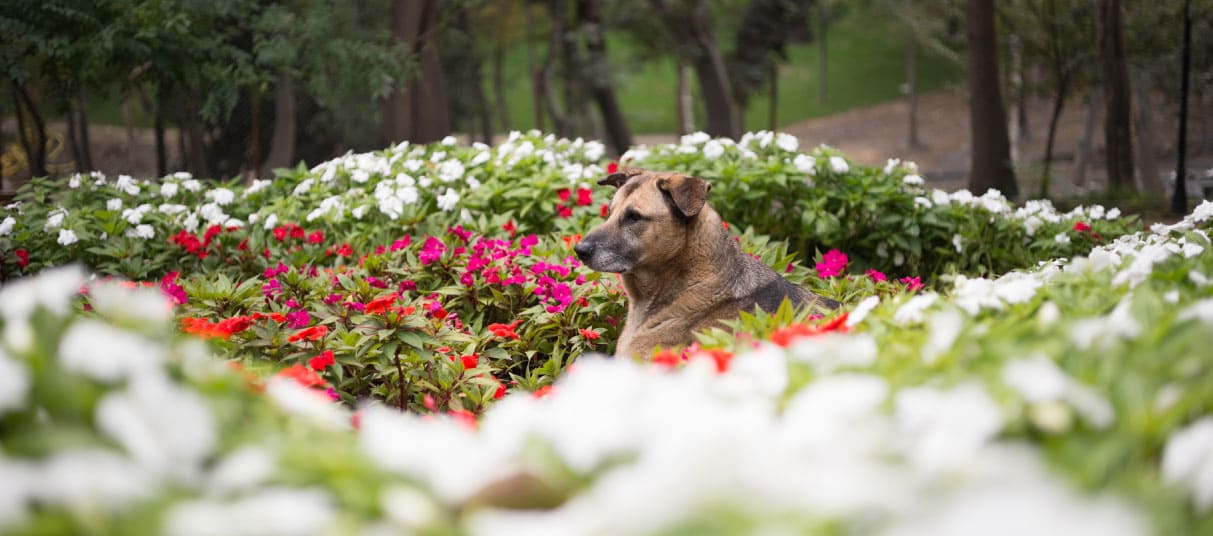
Imagine stepping into a vibrant oasis where the warm sun bathes a stunning landscape, and every leaf and petal shares stories of nature’s resilience and beauty. This is more than a guide —it’s a journey through the Eastern Cape’s incredible botanical landscapes, offering a grounded approach to pet-safe gardens that celebrate our country’s extraordinary ecological diversity.
Understanding the Botanical Diversity of the Eastern Cape
The Eastern Cape is a diverse South African province featuring various ecosystems, including coastlines, grasslands, and mountains. It hosts numerous endemic plant species and unique flora like fynbos and succulent Karoo. The region is also home to endangered wildlife, such as the African penguin and black rhinoceros, with conservation areas like Addo Elephant National Park safeguarding these species.
Additionally, the province’s biodiversity provides vital ecosystem services, making it essential for South Africa’s overall biodiversity and suitable for ecologically significant gardens that highlight its natural heritage.
Thematic Garden Design Approaches
- Karoo Desert Retreat Garden: Xeriscaping principles with minimal water requirements, textural plant combinations and rocky landscape integration
- Fynbos Coastal Sanctuary: Mediterranean climate with a pollinator-friendly layout, textural plant diversity and windbreak considerations
- Savanna Woodland Retreat: Wildlife corridor simulation with layered vegetation zones, tree canopy integration
Ecological Design Principles
Here are some implementable strategies for enhancing biodiversity:
1. Create Multi-Layered Garden Ecosystems:
- Incorporate plants of varying heights and types to create diverse habitats.
- Use native plants that are well adapted and can support local pollinators and wildlife.
- Introduce vertical gardening techniques to maximise space and create additional habitats.
2. Support Local Wildlife Interactions:
- Install birdhouses, bat boxes, and insect hotels to provide shelter for various species.
- Create water features to attract birds and other wildlife.
3. Promote Genetic Diversity:
- Plant heirloom and open-pollinated varieties of vegetables and flowers.
- Create seed banks to preserve seeds.
4. Develop Habitat Corridors:
- Identify and protect natural corridors that connect fragmented habitats.
- Plant native hedgerows to provide connectivity for wildlife.
- Implementing these strategies can significantly enhance biodiversity in your environment, benefiting both wildlife and your own well-being.
Pet-Safe Indigenous Plants of South Africa Ideal for the Eastern Cape
Safety Legend: ✅ Completely Pet-Safe | ❌ Toxic to Pets | ⚠️ Use with Caution
Tree Species
- Wild Olive (Olea europaea subsp. africana) ✅
- Completely non-toxic
- Evergreen
- Drought-resistant
- Wildlife-friendly
- Yellowwood (Podocarpus latifolius) ❌
- Toxic if ingested
- National tree of South Africa
- Potentially harmful to pets
- Sneezewood (Ptaeroxylon obliquum) ❌
- Contains toxic compounds
- Unique timber properties
- Avoid in pet areas
- Cape Beech (Rapanea melanophloeos) ✅
- Non-toxic
- Forest understory tree
- Attracts birds
- White Stinkwood (Celtis africana) ⚠️
- Potentially mildly toxic
- Consult veterinarian
- Requires careful monitoring
Shrub Species
- Cape Honeysuckle (Tecoma capensis) ✅
- Non-toxic
- Bright orange-red flowers
- Attracts sunbirds
- Safe for pets
- Wild Dagga (Leonotis leonurus) ❌
- Toxic to pets
- Can cause digestive issues
- Avoid pet interaction
- Num-Num (Carissa macrocarpa) ❌
- Contains toxic compounds
- Edible fruits (for humans)
- Not safe for pets
- September Bush (Polygala myrtifolia) ✅
- Pet-safe
- Purple flowers
- Drought-tolerant
- Wild Rosemary (Eriocephalus africanus) ⚠️
- Potentially irritating
- Requires veterinary consultation
- Use with caution
Succulent Species
- Spekboom (Portulacaria afra) ✅
- Completely pet-safe
- Exceptional carbon sequestration
- Drought-resistant
- Elephant’s Foot (Dioscorea elephantipes) ❌
- Toxic if ingested
- Unique sculptural form
- Keep away from pets
- Pig’s Ear (Cotyledon orbiculata) ❌
- Toxic to pets
- Can cause digestive problems
- Avoid in pet areas
Herbaceous Plants
- Wild Garlic (Tulbaghia violacea) ✅
- Pet-safe
- Pest-repellent properties
- Attracts pollinators
- Lion’s Tail (Leonotis leonurus) ❌
- Toxic to pets
- Can cause digestive upset
- Avoid pet interaction
- Wilde Als (Artemisia afra) ❌
- Toxic if consumed
- Medicinal for humans
- Not safe for pets
Grass and Ground Cover Species
- Cape Reed (Restio spp.) ✅
- Generally non-toxic
- Safe for pets
- Low maintenance
- Indigenous Grasses
- Varies by specific species
- Most are generally safe
- Consult local experts
Climbers and Creepers
- Cape Jasmine (Gardenia thunbergia) ❌
- Toxic to pets
- Fragrant white flowers
- Avoid in pet areas
- Wild Grape (Rhoicissus tomentosa) ✅
- Non-toxic
- Edible fruits
- Safe for pets
Recommended Pet-Safe Combinations
- Wild Olive
- Cape Honeysuckle
- Spekboom
- Wild Garlic
- Cape Reed
- Wild Grape
Ecological Wisdom: Balancing pet safety with indigenous plant conservation requires careful, informed choices.
Practical Implementation Guidelines
- Water-Wise Landscaping: Select drought-resistant indigenous plants, implement efficient irrigation techniques, create water-retention landscapes
- Natural Pest Control: Choose plants with natural pest-repelling properties, attract beneficial insects, minimise chemical interventions
- Sustainable Gardening Practices: Organic fertilisation techniques, natural pest management, water conservation strategies, ongoing ecological monitoring
- Technology and Ecological Tracking: Use mobile apps for plant identification, implement citisen science tracking, document ecosystem changes
Soil Microbiome Management
1. Promote mycorrhizal fungal networks:
- Introduce cover crops that are known to enhance mycorrhizal associations.
- Reduce tillage to minimise soil disturbance, allowing mycorrhizal networks to thrive.
- Apply organic amendments that provide a habitat and nutrients for mycorrhizal fungi.
2. Enhance nutrient cycling:
- Implement crop rotation practices to diversify plant inputs and promote a wider range of microbial activity.
- Use organic fertilisers and soil amendments that release nutrients slowly, allowing microbes to break them down over time.
- Incorporate compost teas or microbial inoculants that contain beneficial bacteria and fungi to improve nutrient availability.
3. Support beneficial soil microorganisms:
- Reduce the use of synthetic pesticides and herbicides that can harm beneficial microbial populations.
- Conduct regular soil testing and adjust management practices accordingly.
Pet Safety Considerations
If you are unable to renovate your entire garden, consider the following safety aspects:
1. Identify Potentially Toxic Species
- Research common household plants and flowers that are toxic to pets, such as lilies, azaleas, and sago palm.
- Consider using online databases or apps that can help identify toxic species easily.
2. Create Designated Pet Interaction Zones
- Designate specific areas in your home or yard for pet activities.
- Create separate zones, preventing access to areas with toxic plants or dangerous items.
- Establish supervised playtime in these designated zones to reinforce their safety.
3. Use Physical Barriers Where Necessary
- Install baby gates or pet barriers to restrict access.
- Use plant pots with protective covers or raised planters to keep pets away.
- Consider using mesh nets or fencing around gardens to prevent pets from digging or eating harmful plants.
- Ensure that any outdoor areas are securely fenced to prevent pets from wandering into potentially dangerous environments.
4. Provide Alternative Pet-Friendly Spaces
- Create pet-friendly areas in your home and garden with appropriate toys, scratching posts, and comfy bedding.
- Use pet-safe materials in furniture and decor to prevent ingestion of harmful substances.
- Offer enrichment activities to keep pets engaged in safer environments.
Your Garden as a Living Ecosystem
Your pet-safe indigenous garden is more than an outdoor space—it’s a dynamic, living laboratory that celebrates South Africa’s remarkable botanical heritage. By carefully selecting indigenous plants, understanding ecological principles, and creating thoughtful design approaches, you contribute to conservation efforts while providing a safe, beautiful environment for your pets.
Expert Tip: Every plant you choose is a step towards preserving South Africa’s incredible biodiversity. Your garden can be a beacon of conservation, education, and love.
Disclaimer
This is a guide and based on the latest information we have been able to access, before making any decisions, it’s always recommended to:
- Consult with a local veterinarian
- Observe your pets’ interactions with plants
- Prevent excessive consumption of any plant material
- Monitor for individual allergic reactions or sensitivities