



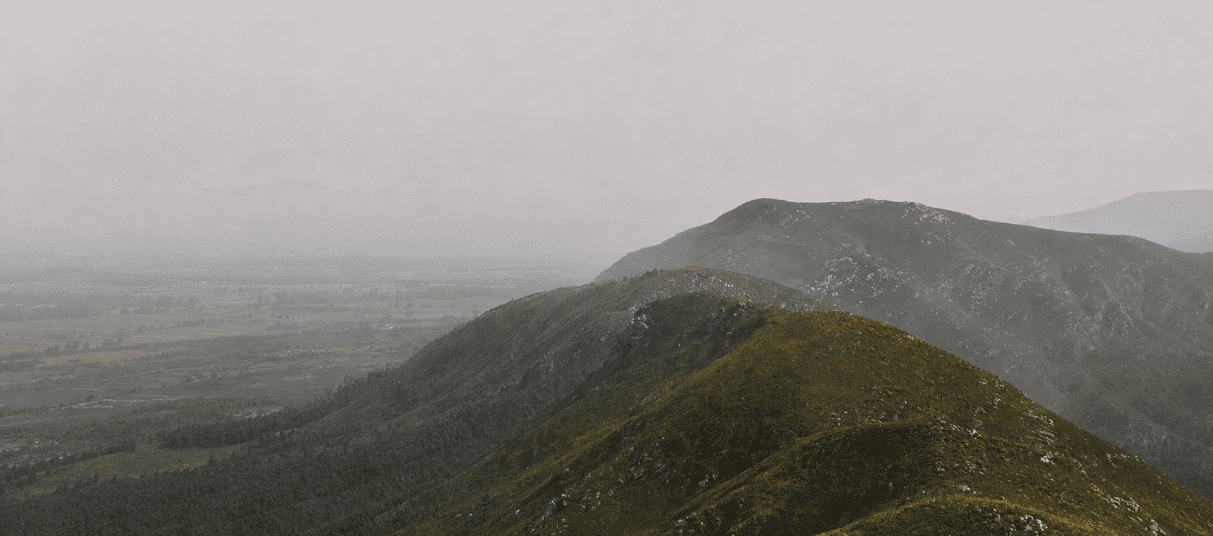
Port Elizabeth is known for its coastal, warm climate and relaxed pace of life. Yet beyond the shoreline exists an environment shaped by rugged cliffs, forests, river valleys, and mountain passes that hide in landscapes that residents pass every day without fully noticing. A resident living in Port Elizabeth can leave the city after sunrise and, within a short drive, find themselves walking through vegetation-filled gorges, filled with wildlife and fynbos. Their accessibility has transformed hiking into more than just a fitness activity, for many, it has become a way of reconnecting with nature that is increasingly rare in urban life.
Unlike some of South Africa’s more commercialised hiking destinations, many of these trails still retain uninterrupted authenticity. There are routes where the loudest sound is just the wind moving through dune vegetation. Others open suddenly onto panoramic ocean views after long stretches beneath shaded trees. Some are physically demanding and technical, while others invite slower walks and a calming atmosphere. In this guide, you will explore some of the most scenic and rewarding hiking trails in and around Port Elizabeth. From beginner-friendly coastal walks and pet-friendly routes to more advanced mountain terrain and wilderness trails, each offering different experiences.
The Sacramento Trail
The trail is named after the Portuguese ship Sacramento, which wrecked along this coastline in the seventeenth century. Stretching between Schoenmakerskop and Sardinia Bay, this route has become one of the region’s most recognisable hikes, particularly during quiet mornings when the coastline is wrapped in sea mist, the only movement from waves breaking against the rocks below. One moment, the path moves through dense coastal vegetation, alive with bird activity, and the next it opens onto broad views of the Indian Ocean.
The route itself is considered moderately easy, making it accessible to a wide range of hikers. Depending on the exact turnaround point, most walkers complete between 6 and 8 kilometres in total. The terrain includes coastal footpaths, wooden boardwalk sections, rocky outcrops and sand-covered stretches. The surrounding vegetation forms part of the Albany Thicket biome, one of South Africa’s most biologically diverse vegetation systems. Birdlife is particularly active during quieter periods of the day. Sunbirds, gulls, cormorants, and various coastal species are commonly observed along the route, especially near the cliff sections overlooking the ocean.
On clear mornings, visibility can extend remarkably far along the coastline. During overcast weather, however, sea mist often drifts across the cliffs and low vegetation, softening the landscape and muting the sound of the ocean into a distant rumble. The Sacramento Trail has also become one of the most popular hiking routes in the region for dog owners. Its wide-open layout, ocean air, and manageable terrain make it well-suited to walkers accompanied by pets. That said, responsible trail etiquette remains essential.
Sardinia Bay Nature Reserve Walks
Sardinia Bay Nature Reserve has large dune systems that roll inland from the shoreline with indigenous vegetation spreading across the sandy terrain. The result is a walking experience that feels less formal than other trails around Port Elizabeth. Sardinia Bay has become especially popular amongst dog owners because of its open, pet-friendly layout with extensive running space, allowing walkers and pets to spread out naturally, preventing overcrowding.
While many visitors remain near the primary beachfront access points, the reserve extends far beyond the most visible areas. The further one moves from the parking area, the more dominant the natural environment becomes. Rockpools alongside the shoreline provide a perfect opportunity for quick swims and shallow snorkelling, opening a window into a colourful underwater world.
Most famous for its sunset view from the tops of the dune peaks, the peace and beauty are enough to wipe all stress and worry from your mind. The dune systems are among the reserve’s most visually striking features. Shaped continuously by wind, they create soft shifting contours across the landscape that change subtly over time.
The Cape Recife Peninsula Trail
A moderate 7 to 9 kilometre coastal hike through natural dune vegetation, rocky outcrops, and unspoilt beaches. Along the route lie an old lighthouse, built in 1851, and historic military observation posts. Excellent for pet owners on a relaxed morning hike, giving dogs open space to explore. However, entry does require a permit via the reserve’s gate at Pine Lodge Resort.
Baakens Valley Trails
Few cities in South Africa contain a natural landscape as integrated into urban life as the Baakens Valley. Cutting directly through the centre of Port Elizabeth, the valley forms trails that exist invisibly alongside suburban roads, residential areas, and commercial districts. The Baakens Valley stretches for roughly 23 kilometres through Port Elizabeth, making it one of the largest urban green spaces in South Africa. Rather than functioning as a single formal reserve, the valley consists of interconnected natural areas that include indigenous thicket vegetation, rocky cliff faces, riverine ecosystems, open grassland sections and walking or mountain biking trails. Because of its location within the city itself, the valley has become especially popular for short outdoor escapes before or after work. Hikers are strongly encouraged to go in large groups rather than hiking alone for safety.
At the centre of the landscape is the Baakens River itself, although seasonal rainfall patterns influence how visible and active the water system becomes throughout the year. Following periods of rain, parts of the valley become noticeably greener and more vibrant. Vegetation thickens along the riverbanks, bird activity increases, and the ecosystem feels more dynamic overall. The valley supports sections of Albany Thicket vegetation, and birdlife is particularly active in quieter areas of the trail system, with kingfishers, weavers, sunbirds, and various raptor species regularly observed throughout the valley.
Some sections involve relatively gentle walking paths suitable for beginners and families, while others become steeper and more rugged, particularly near cliff areas and less developed trail segments. Baakens Valley is also pet-friendly, with easy walking routes that dogs love to play and explore. One reason the valley has become increasingly popular is the number of access points available throughout Port Elizabeth. Different sections can be entered from suburbs including, Walmer, Central, Mount Croix, Fernglen, and Newton Park. This allows residents to explore different parts of the valley over time rather than experiencing it as a single fixed route.
Norm-Hudlin Kragga Kamma Walks
Located in Kragga Kamma, Norm-Hudlin forms a network of flat, walking routes shaped around open grassland. A forested trail network with several route options, from 10 kilometres to 30 kilometres, with single-track paths, and a relaxed, natural atmosphere. Known for being dog-friendly, many locals take their leashed dogs along the level, bushy paths for regular exercise. Many locals have taken painted stones and pebbles and decorated each trail and path with them, a fun activity to look out for.
The Alexandria Hiking Trail
Situated within the Woody Cape section of the Addo Elephant National Park near Alexandria, this trail moves through one of the largest remaining indigenous coastal forests in South Africa. Here, the environment becomes dense, humid, and layered with vegetation so thick in places that sunlight filters through only in fragments. Unlike shorter recreational walks, the Alexandria Trail is generally approached as a multi-day hiking experience. This coastal hike covers roughly 36 kilometres over two days, traversing dunes, providing a great opportunity for wildlife sightings. Booking ahead might be necessary for overnight stays.
The Chokka Trail
St Francis Bay carries a very different character from the rugged cliffs, the landscape softening into long beaches, estuaries, and coastal vegetation. Named after the squid fishing industry historically associated with the region, this trail combines coastal scenery with local maritime culture, stretching through sections of shoreline, fishing villages, wetlands, tidal rivers and nature reserves. A 4-day slack-packing route, with a total of 62 kilometres, that you can walk through, hike, or horse ride, experiencing quaint harbours and quiet beaches. Morning mist softens visibility along the beach, the constant movement giving the trail a dynamic quality that differs substantially from inland hiking routes. This hike is also great for pets who are accustomed to long walks, with the option of staying in guesthouses and cottages at night. The hike is only offered in certain seasons, often April to September, so spaces may be limited.
The Amatola Hiking Trail
Situated within the Amathole mountain region near Hogsback, this multi-day route is widely regarded as one of the country’s most physically demanding and environmentally immersive hiking experiences. The trail traverses dense indigenous forest, mountain ridges, waterfalls, river crossings, and steep escarpments across terrain. It is long, physically strenuous, and often unpredictable. Yet for experienced hikers, it also represents one of the most rewarding wilderness experiences in southern Africa. Over 100 kilometres in total, with lush indigenous forests, waterfalls, mountain scenery and serene landscapes.
Weather plays a major role, as rain can transform the already challenging terrain into slippery and dangerous sections, particularly within forested descents. In winter, Hogsback may sometimes experience snow, creating a European, picturesque landscape. One of the defining characteristics of the Amatola Trail is the constant presence of water. Streams, waterfalls, mist, and rainfall shape the environment throughout much of the route. Within the forests and mountains of Hogsback, that level of immersion creates a hiking experience that extends far beyond recreation alone.
Lady’s Slipper Hiking Trail
For hikers seeking something more physically demanding, the Lady’s Slipper Hiking Trail offers a completely different experience. Here, the landscape becomes steeper, more rugged, and considerably more remote. This is not a trail built around leisurely walking or short scenic stops. The Lady’s Slipper trail requires a reasonable level of fitness and preparation. Situated within the Groendal Wilderness Area near Uitenhage, the trail moves through sections of the Baviaanskloof mountain system. The name “Lady’s Slipper” is believed to reference the shape of one of the mountain formations visible along parts of the route, although many hikers discover that the scenery becomes far more memorable than the name itself.
The trail offers some of the most extensive inland views, unfolding in stages rather than appearing immediately. Although the trail feels rugged and exposed, the Groendal Wilderness Area supports significant biodiversity. Hikers encounter indigenous fynbos species, mountain shrubs and succulents, and even some small antelope species and reptiles in warmer months. The physical effort required, combined with the scale of the terrain, gradually narrows attention toward the immediate environment. And while the scenery is undeniably impressive, it is often the feeling of distance from urban life that lingers most strongly after the hike is complete.
Van Stadens Wildflower Reserve Trail
Roughly forty kilometres west of Port Elizabeth, the landscape begins to change almost imperceptibly. The coastline transforms into rolling hills, stretches of indigenous vegetation, and intricate forest river systems. The Van Stadens Wildflower Reserve is often recognised for its botanical diversity, but is less a manicured botanical garden and more a layered natural landscape where forests, grasslands, fynbos, riverine vegetation, and dramatic gorge views coexist. During spring and early summer, sections of the reserve become particularly striking as indigenous wildflowers begin to emerge across the landscape. Proteas, ericas, and seasonal flowering species introduce subtle bursts of colour against the surrounding greens. Unlike cultivated gardens, the beauty here feels organic and untamed.
Van Stadens offers several walking routes ranging from accessible nature walks to more physically demanding trails descending deeper into the gorge system. Some routes remain relatively level and easy to navigate, while others include steeper descents and uneven terrain through dense vegetation. Dense canopy cover filters the sunlight in patches across the path. Birdlife is especially active here. Knysna Loeries, weavers, sunbirds, and various forest species are regularly spotted throughout the reserve, particularly during quieter morning periods. After rainfall, the forest becomes even more sensory. The scent of damp vegetation intensifies, streams become more audible, and mist occasionally settles low through the gorge, softening visibility and creating an almost cinematic atmosphere along certain sections of trail.
Groendal Wilderness
Situated near Uitenhage within the Baviaanskloof mountain region, Groendal forms part of a protected wilderness system characterised by mountain ridges, river valleys, indigenous fynbos, rocky escarpments and dense wilderness corridors. The area supports several hiking routes of varying difficulty, although many sections are best suited to experienced hikers familiar with longer mountain terrain. Unlike highly commercial hiking destinations, many Eastern Cape wilderness areas remain relatively undeveloped. This contributes significantly to their appeal, but it also means hikers must approach these environments with greater self-sufficiency.
Safety, Preparation & Trail Etiquette
One of the reasons hiking around Port Elizabeth remains so rewarding is that many of the region’s trails still feel relatively natural and undeveloped. It also means hikers carry a greater level of personal responsibility compared to heavily commercialised outdoor destinations. Preparation, awareness, and respect for the environment are not simply recommendations, they are part of what allows these landscapes to remain both safe and ecologically intact. Good preparation is sometimes misunderstood as something restrictive or overly cautious. In reality, preparation often creates freedom. When hikers feel properly equipped and informed, they are able to focus more fully on the landscape, the atmosphere, and the physical experience and immersion in nature.
Water
Hydration is critical, particularly on coastal walks with sun exposure, mountain trails with limited shade and longer routes without reliable water access. Many local trails do not provide drinking water facilities, making self-sufficiency important even on shorter hikes.
Pets
Always check the trail’s pet policy before you go, as some reserves or longer wilderness hikes may have restrictions or require permits. Bring water and a collapsible bowl for your pet. On coastal or dune hikes, watch out for hot sand, sharp shells or driftwood as these can hurt paw pads. Consider protective booties if needed.
Footwear
Proper footwear remains one of the most overlooked aspects of hiking preparation. While easier reserve walks may accommodate standard walking shoes, more technical routes often involve loose rocks, uneven ground, sand or slippery surfaces after rainfall. Supportive footwear reduces fatigue and lowers the risk of ankle injuries significantly.
Sun Protection
Carrying sunscreen, a hat and sunglasses becomes particularly important on exposed coastal and mountain routes.
Basic Supplies
Even short hikes benefit from having a fully charged cellphone, light energy snacks and a first aid kit.
Collectively, these trails reveal another side of the Eastern Cape, one defined not by spectacle alone, but by atmosphere, biodiversity, and the quiet relationship between landscape and movement. In many ways, hiking changes how a region is understood. Roads and city infrastructure often reduce landscapes to destinations passed through quickly. Trails slow that experience down. They allow people to notice details that disappear at speed, such as the scent of coastal vegetation after rain, the light shifting through indigenous forest, birdlife moving through the valley canopy, the texture of rock beneath changing weather conditions and the sound of wind crossing open dunes or mountain ridges.
They remind people that extraordinary natural spaces do not always exist far away or behind major tourist gateways. Sometimes they exist quietly alongside familiar roads, hidden beyond suburban edges, waiting to be experienced more slowly and more attentively. For those willing to explore them, the landscapes offer perspective, stillness, and a rare opportunity to experience the Eastern Cape. Whether you’re looking for a quick weekend stroll with your dog or planning a multi-day hiking getaway, there’s something here for every pace and every spirit. Just bring good planning, respect for nature, and a sense of adventure.
To Nurture is Nature 🌿
🩵 Instagram: @chateauhomeandpetcare
🩵 Facebook: chateauhomeandpetcare