



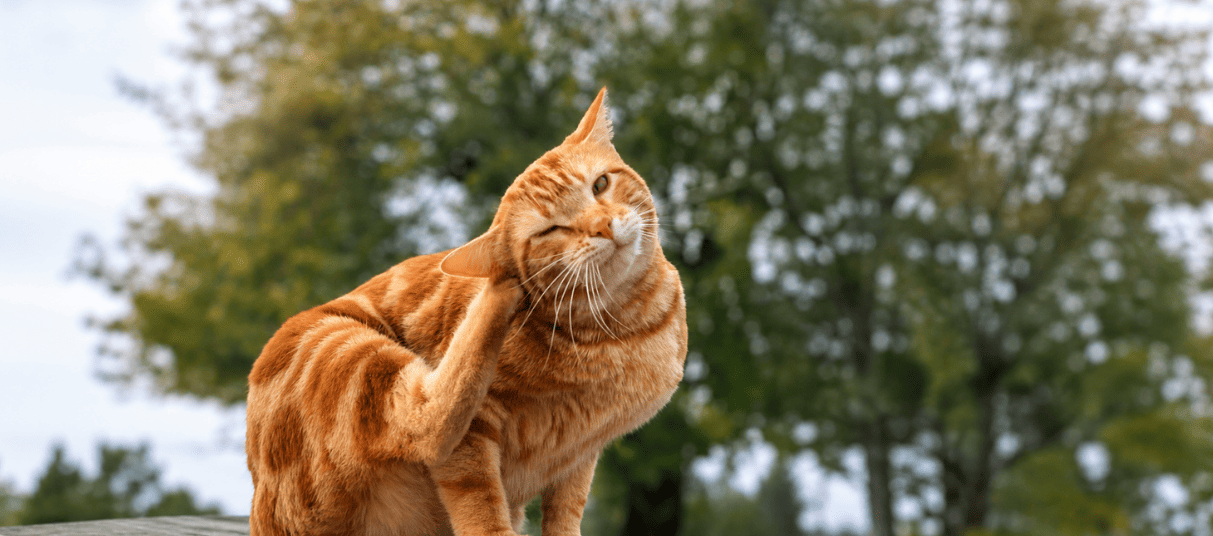
In the Eastern Cape, the moderate humidity and year-round warmth create a persistent microclimate that allows ectoparasites to thrive, often challenging the health of our companion animals. Did you know that the fleas visible to our eyes represent only a fraction of the total population, as the vast majority of these organisms reside as eggs and larvae. By bridging the gap between botanical science and rigorous home care, we can safeguard our animals and homes through methods that honour both the environment and our wellbeing.
Micro-Ecology of Ectoparasites
Fleas and ticks thrive in specific micro-climates that exist just outside our visibility. Biological data indicates that up to 95% of fleas exist as eggs, larvae, and pupae. These parasites favour substrates that provide protection from direct sunlight. Shaded soil, damp leaf litter, and dense groundcover, such as unpruned shrubs or indigenous fynbos, serve as primary propagation sites. Structural refuges including timber joinery, brickwork crevices, and the voids beneath decking offer the humidity and warmth necessary for larvae to mature. Understanding these habitat preferences allows for a targeted approach for maintenance, focusing on the reduction of organic debris where pests typically harbour.
Ticks climb to the tips of grasses or shrubs to await a passing host. They detect potential targets using Haller’s organ, a complex sensory structure located on their anterior legs that perceives thermal signatures, carbon dioxide emissions, and physical vibrations. Outdoor exploration is an important part of a healthy and enjoyable life for many pets. It simply means that checking your animal after walks is worthwhile. Fleas demonstrate a different survival strategy through the protective cocoon stage. Pupae can remain dormant within floorboard gaps or carpet fibres for several months. They are triggered by mechanical pressure or heat, ensuring an active host is nearby before they expose themselves. Prolonged attachment or infestation can lead to allergies and bacterial skin disruptions. They also serve as primary vectors for a multitude of illnesses transmissible between animals and humans. These pathogens can cause debilitating systemic issues, ranging from chronic fatigue and joint inflammation to neurological impairments for pets and owners. Fleas act as intermediate hosts for tapeworms. Their hind legs store energy in a protein called resilin, allowing them to jump distances hundreds of times their body length. Their mouthparts are specialised for piercing the epidermis, increasing the likelihood of saliva-borne pathogen transmission.
Natural Repellents & Prevention
– Cedarwood oil has naturally occurring compounds that interfere with the nervous systems of certain insects and also help dry out very small, soft-bodied pests and larvae. It is important, however, to take particular care in homes with cats. Cats process essential-oil compounds differently from other animals, and concentrated essential oils are harmful to them. Cedarwood oil should therefore never be applied directly, and concentrated oils should be used very cautiously around feline pets.
– Neem is another plant-based ingredient that has a well-established role in insect management. Its active compound, azadirachtin, interferes with the normal development of insects. It can affect feeding and prevent immature insects from progressing normally through their growth and moulting stages. In this way, neem helps interrupt the pest life cycle rather than just affecting the insects that are already visible.
– Rose geranium contains naturally occurring compounds including geraniol and citronellol, both of which contribute to its strong botanical fragrance. These compounds interfere with the scent cues used by some ticks when searching for a host.
– Regular disruption of the pest’s habitat, such as pruning overgrown shrubs, clearing accumulated leaf litter and keeping outdoor areas tidy, removes some of the sheltered conditions that pests use during their development. Indoors, regular vacuuming of carpets, upholstery, corners and crevices physically removes eggs, larvae and other debris before they have an opportunity to develop further.
– Many aromatic plants naturally release volatile compounds into the surrounding air, and some of these scents are unappealing to insects. Lavender, rosemary and other aromatic herbs can be planted around frequently used areas of the garden.
– On outdoor walks, a quick physical check of your pet can be extremely useful. Ticks can be particularly easy to miss in warm, protected areas of the body, so take a closer look around the groin, between the toes and around the base of the ears. A fine-toothed comb can also be useful when travelling or returning from outdoor activities, to help remove loose parasites before they find their way into the home.
– Washing pet bedding regularly is another practical part of environmental control. Where the fabric allows it, a washing cycle of around 60°C or higher helps destroy flea eggs and other stages of the flea life cycle. Always follow the manufacturer’s care instructions for the bedding first. The movement and vibration from regular vacuuming remove dormant flea pupae before they can mature and find a host.
– Baking soda mixed with salt dehydrates larvae and eggs within carpet fibres. The mixture can be lightly distributed over the affected area, left for approximately twelve hours and then vacuumed thoroughly. It is sensible to test the method on an inconspicuous section of carpet first, particularly with delicate or dark fabrics.
– White vinegar diluted with water is also useful for general household cleaning. Wiping timber surfaces, skirting boards, and other suitable areas with a diluted solution helps create a clean environment, and the strong acidic scent may make these areas less appealing to some pests. Vinegar should never be used on surfaces that can be damaged by acidic solutions.
– Cedar wood chips can provide another source of the characteristic cedar aroma. Placing small amounts around suitable outdoor areas, near kennels or in locations where pets rest, can create a naturally scented environment that may discourage some insects.
– Steeped lemon rinds can be used to create a simple, lightly scented household spray. Steeping fresh lemon rinds in hot water allows some of the natural aromatic compounds from the peel to infuse into the water. Once cooled and strained, the liquid can be used as a mild household spray or as a final rinse for suitable pet-safe fabrics.
Effective ectoparasite management relies on multiple solutions, each playing a distinct role, but together providing reliable protection for our beloved pets and families. Botanical ingredients, garden maintenance and simple household habits complement a parasite-control routine. The more we understand the creatures that share our environment, the better equipped we are to manage them sensibly. The goal of ectoparasite management is to create a harmonious living space where the needs of our companions and the standards of our home are met with equal care.
To Nurture is Nature 🌿
🩵 Instagram: @chateauhomeandpetcare
🩵 Facebook: chateauhomeandpetcare