



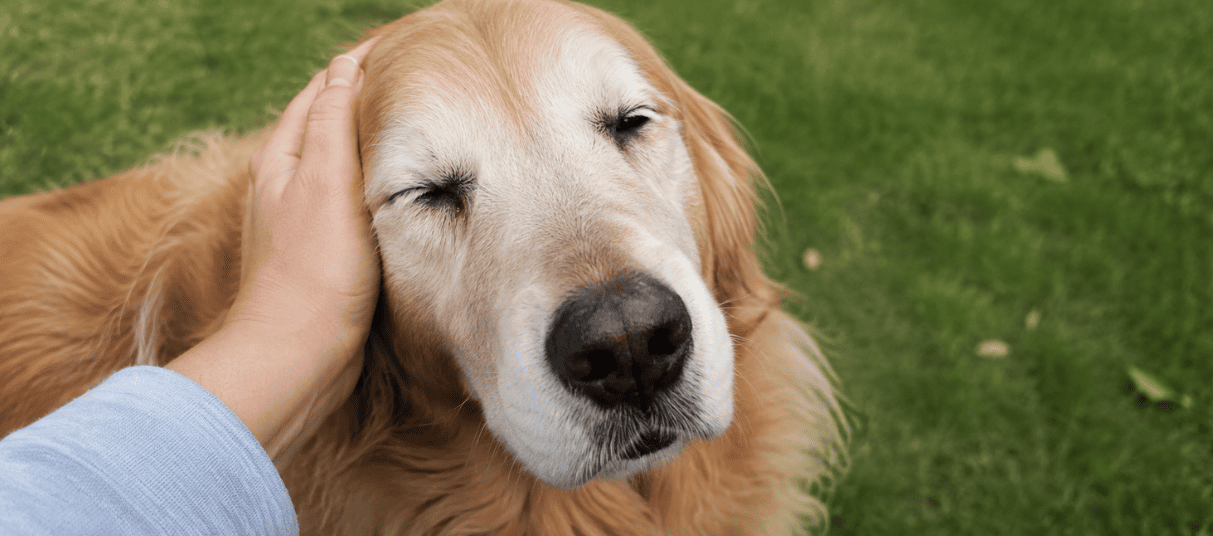
The time comes when your dog no longer rushes to the door as quickly as they once did, rest periods become longer, and their muzzle is flecked with grey. Advances in nutrition, preventative healthcare, and veterinary medicine have dramatically improved life expectancy across many companion species. As a result, attention has increasingly shifted towards quality of life, ensuring pets remain comfortable, active and engaged as they age. Large dog breeds are generally considered senior from around seven years of age, while smaller breeds often remain youthful for longer. Cats typically enter their senior years at around eleven, although many continue climbing, exploring and playing well into later life. Some parrots outlive multiple generations of other household pets, living for several decades. Depending on personality and agility, some dogs continue hiking, swimming, and exploring, and some cats remain playful and inquisitive well into their senior years.
Ageing should not be viewed as a condition to be treated. It is a natural stage of life, bringing changes that are best met with awareness, patience and practical support. Modest changes can make a meaningful difference to daily comfort and independence. Many pets adapt surprisingly well to the changes that come with age. A dog with reduced hearing learns to read visual cues. A cat with arthritis discovers a new favourite resting place that requires less climbing. A rabbit with reduced mobility develops different patterns of movement around its enclosure. The challenge, for us, lies in recognising those changes and responding appropriately. Nutrition, mobility, cognitive health and the home environment all play a role in maintaining quality of life. With the right support, many senior pets continue to enjoy years of comfort, companionship and routine long after the first grey hairs begin to appear.
Body & Mind
Unlike a sudden illness or injury, ageing tends to happen gradually. Because these developments unfold over months or even years, owners often do not notice them straight away. In dogs, the earliest signs of ageing are often physical. Activities that once seemed effortless may begin to demand more energy and physical effort. Long walks may become shorter, not because enthusiasm has faded, but because the body is moving at a slower pace. Muscle mass gradually declines, joints become stiff, and recovery after exercise often takes longer than it once did. Many older dogs remain just as interested in daily walks, social interaction, exploration, and play. The difference is often found in pace rather than motivation. Senior dogs frequently spend more hours sleeping during the day. Changes in hearing and vision are equally common. Vision may gradually become less sharp, particularly in low-light conditions. Despite these challenges, many pets adapt remarkably well. Dogs often rely on scent, routine and familiarity with their surroundings to navigate confidently.
Changes in metabolism can also influence how senior pets look and feel. Some animals become more prone to weight gain because they are less active than before. Others may lose weight despite maintaining a healthy appetite. Behavioural changes are sometimes among the most misunderstood aspects of ageing. Many senior pets become more selective about how they spend their energy. Rather than constant activity, they may choose shorter periods of engagement followed by longer periods of rest. Feeding times, walking routes, favourite sleeping spots and familiar routines often take on greater significance because predictability provides reassurance.
Physical ageing is only part of the picture. The ageing process affects both body and mind. A dog may take slightly longer to respond to a cue or appear momentarily uncertain in a new environment. Some pets become more sensitive to disruption or changes within the household. Studies have shown that older animals remain capable of learning, adapting and engaging with new experiences. Many senior dogs respond enthusiastically to training, enrichment activities, and new experiences when these are introduced appropriately. Curiosity does not disappear with age. Some days will simply be better than others, much as they are for people.
Nutrition
The food a pet eats affects energy levels, body condition, digestion and muscle maintenance. Two dogs of the same age may have entirely different nutritional needs. One may remain active and lean well into later life, while another becomes less active and more prone to weight gain. Metabolism often changes with age. Many dogs require fewer calories than they did during their younger years. A few extra kilograms may not seem significant, but excess weight places additional strain on joints, making movement more difficult. Maintaining a healthy body condition becomes one of the most valuable ways to support long-term comfort and mobility. Not all senior pets gain weight. Some gradually lose weight or muscle despite eating well. While owners often focus on the number on the scale, muscle condition is frequently the better indicator of overall health, supporting balance, mobility and joint function. Protein remains essential throughout a dog’s senior years. Current veterinary guidance supports providing senior dogs with adequate high-quality protein, unless an underlying medical condition requires dietary adjustments.
Water supports countless bodily functions, from temperature regulation and digestion to circulation and joint health. Fresh, easily accessible water should always be available, particularly in households where mobility challenges might make frequent trips to a water bowl less convenient. Since scent plays such a significant role in how dogs experience food, even subtle sensory changes can influence appetite. Warming food, introducing moisture where appropriate, or offering foods with stronger natural aromas may encourage interest without fundamentally altering the diet. Treats, table scraps, supplements and chews all contribute to a pet’s overall dietary intake. Occasional treats can still be part of daily life, but they should be considered alongside the pet’s overall nutrition. A dog’s dietary needs at eight years old may not be the same as their needs at fourteen. The most successful feeding strategies are often those that remain flexible enough to adapt alongside the pet.
Exercise & Mobility
Remaining active plays an important role in a dog’s well-being throughout their senior years. While the type and intensity of exercise may change, the need for physical activity does not disappear. An older dog is more likely to pace themselves. They may pause more frequently, explore at a slower speed, or choose shorter bursts of activity followed by periods of rest. The benefits of regular exercise extend well beyond fitness. Regular activity helps maintain muscle condition, supports joint health, assists with weight management and provides valuable mental stimulation. Dogs experience the world largely through scent, and daily walks offer opportunities to explore, investigate, and engage with their surroundings. Long periods of inactivity can contribute to stiffness, while sudden overexertion may leave an older dog uncomfortable. Swimming is often recommended for older dogs because it allows them to stay active while placing less strain on the joints. Many dogs enjoy the freedom of movement that water provides, although individual preferences and confidence levels should always be respected. Not every dog enjoys swimming, and there are many other ways to remain active. Leisurely walks, scent games, and opportunities to explore new environments can all provide valuable physical and mental enrichment.
Mental Stimulation
A short training session does not need to focus on complex skills. Revisiting familiar cues, introducing simple new behaviours, or practising everyday tasks can provide gentle mental stimulation while strengthening the bond between dog and owner. Dogs enjoy the challenge of working things out for themselves, such as how to achieve a reward and how to respond to cues. These small challenges encourage dogs to stay engaged and mentally active throughout the day. Scent-based activities are particularly valuable for older dogs. A dog’s sense of smell often stays remarkably sharp, even when vision or hearing starts to decline. Allowing dogs to use their noses engages them in one of their most instinctive and mentally rewarding behaviours. Something as simple as hiding treats around the garden, scattering food in a safe area, or encouraging a dog to search for favourite toys can turn an ordinary day into an enjoyable mental challenge. Many senior dogs find these activities exciting and satisfying rather than physically demanding games.
Social interaction is just as important. Most dogs are social animals, and regular interaction with people, other pets and familiar environments helps keep them emotionally engaged as they age. Even dogs that have become quieter with age often continue seeking connection and involvement in household activities. Older dogs frequently display a strong desire to remain part of daily routines. They may no longer participate with the same intensity as they once did, but they still want to know where everyone is, what is happening, and how they fit into the rhythm of the household.
Common Health Changes
Dental health becomes important as dogs enter their senior years. Their mouth plays a central role in daily comfort, eating and quality of life. Dogs are remarkably stoic when it comes to oral discomfort, yet dental problems can influence behaviour and even reduce enthusiasm for everyday activities. Hormonal and metabolic conditions may influence appetite, energy levels, coat condition, thirst, or body weight. Fortunately, many of these conditions can be managed successfully for years with appropriate veterinary care and regular monitoring. Heart health is another area veterinarians routinely monitor in older dogs. Regular veterinary check-ups can help identify concerns early, often before obvious symptoms begin to appear.
Senior Cats
Unlike dogs, who make changes in behaviour obvious, cats tend to adapt quietly and independently. Their energetic leaps may become less frequent, and favourite sleeping spots may change. A cat that once spent hours patrolling the garden may prefer the comfort and warmth of an indoor sunny spot. Grooming habits also change with age. Cats are famously meticulous when it comes to coat maintenance, so a decline in grooming often becomes noticeable relatively quickly. Long-haired breeds may require additional assistance, particularly around areas that become difficult to reach comfortably. Many senior cats also remain highly responsive to toys, food puzzles and short play sessions that keep both body and mind engaged.
Senior Birds
Parrots, in particular, remain part of the family for decades. Some species may share a home with multiple generations of the same household, creating relationships that span an extraordinary portion of a human lifetime. Perches of varying diameters help keep their feet healthy. Older birds benefit from cage layouts that allow them to move comfortably between food, water, resting areas, and enrichment items without excessive effort. Because birds spend so much of their lives perched, the size and texture of their perches can have a significant impact on long-term comfort and mobility. Natural branches provide more variation than perfectly uniform artificial perches, encouraging natural foot movement and grip. Many companion birds are remarkably intelligent and socially aware. They thrive on interaction, routine, mental challenges and opportunities to explore their surroundings.
The desire to participate, explore, interact, and remain connected to their environment often persists far longer than many people expect. Recognising and supporting that continued curiosity is an important part of caring for older animals. It reminds us that ageing is not defined by what a pet can no longer do, but by finding new ways to help them continue enjoying the things that have always mattered most. Often, it is the small changes that tell us the most. Years of shared routines and familiarity often strengthen the bond between pet and owner. The bond between pet and owner often deepens through the shared understanding that develops after years spent together. While ageing inevitably brings change, it does not diminish the value of a pet’s companionship. With appropriate care and a willingness to adapt alongside them, many animals continue to enjoy comfortable, active and fulfilling lives well into their senior years.
To Nurture is Nature 🌿
🩵 Instagram: @chateauhomeandpetcare
🩵 Facebook: chateauhomeandpetcare